Hiromatu Studio Art and illustration with a Japanese heart

Hiromatu Studio

Art and illustration with a Japanese heart

Latest Articles

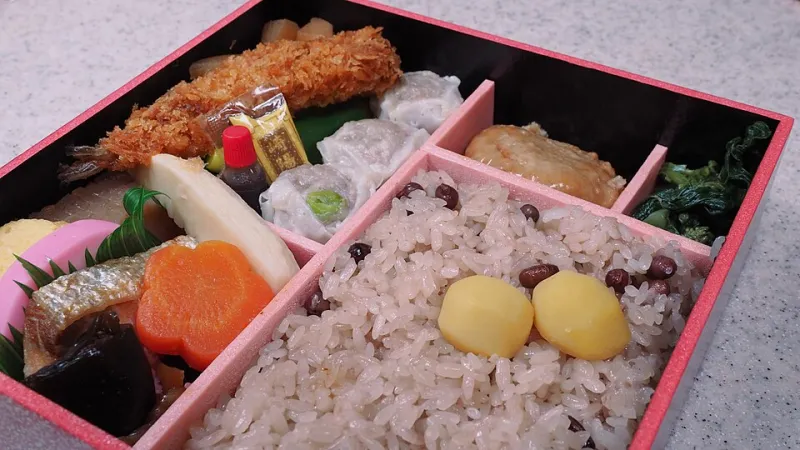
Lunchbox Logic: A Compartment-First Approach to Filling Sketchbook Pages
Technique & Craft

Lunchbox Logic: A Compartment-First Approach to Filling Sketchbook Pages

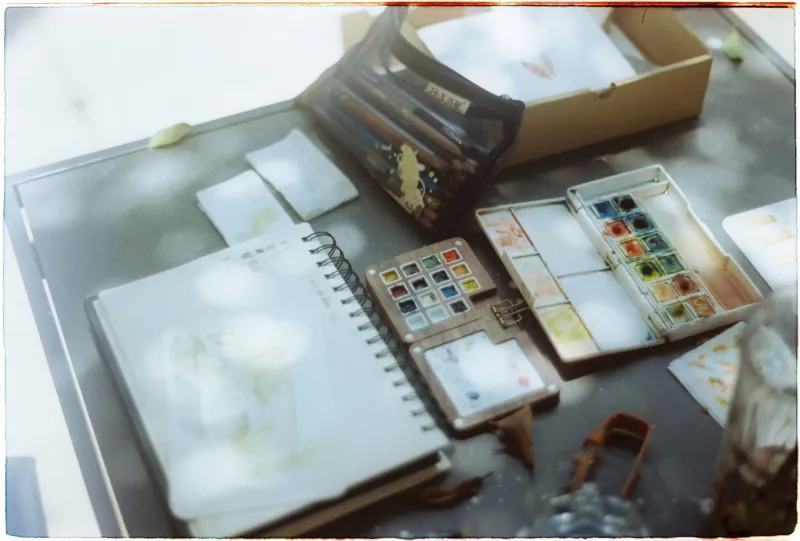
A bento box does not apologize for its boundaries. It uses them. This piece shows how to borrow that compartment logic for sketchbook spreads built around one main subject, two supporting studies, and a tiny pickled detail that pulls the whole page together.

One Long Strip, One Rolling Story: Building an Orihon Sketchbook for Sequential Drawing
Technique & Craft

One Long Strip, One Rolling Story: Building an Orihon Sketchbook for Sequential Drawing

An orihon-style sketchbook is just a long sheet folded like an accordion—but that simple shift from bound pages to a continuous strip changes how you plan, revise, and share your drawings. Here’s a friendly walkthrough for making one with affordable materials, plus prompts for turning a single afternoon or a whole week into a visual journey.

Ink, Paper, and a Fresh Catch: A Beginner's Guide to Gyotaku Fish Printing
Technique & Craft

Ink, Paper, and a Fresh Catch: A Beginner's Guide to Gyotaku Fish Printing

Gyotaku is the Japanese art of pressing ink onto a real fish and pulling a print — a fisherman's record that turned into a genuine printmaking tradition. Here's how to try it at home with a market fish, some sumi ink, and a sheet of washi.

The Soft Edge Method: A Chigiri-e Still Life for People Who Hate Drawing
Technique & Craft

The Soft Edge Method: A Chigiri-e Still Life for People Who Hate Drawing

Chigiri-e, the Japanese art of torn-paper collage, is a gentle way into image-making when a pencil feels like a threat. Here is a small still-life project that trades precision for texture, using painted paper, glue, and your bare hands.

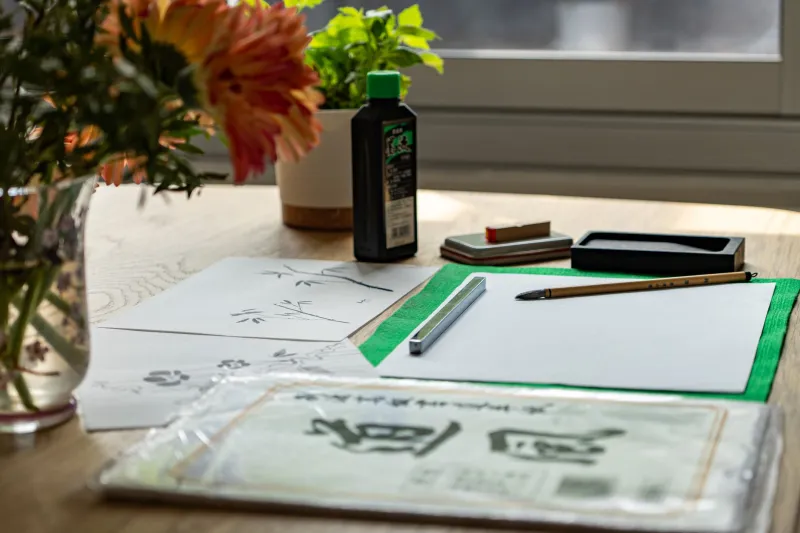
Send Something Slightly Crooked: A Beginner's Etegami Practice for the 2026 Card Season
Technique & Craft

Send Something Slightly Crooked: A Beginner's Etegami Practice for the 2026 Card Season

Etegami is the Japanese picture-letter tradition built on deliberate imperfection — a loose little image, a few handwritten words, and no interest whatsoever in looking polished. Here's how to make a stack of them for the 2026 holiday season, smudges and all.

Midnight Inventory: Turning a Lit Vending Machine Into Your Best Evening Sketch Subject
Technique & Craft

Midnight Inventory: Turning a Lit Vending Machine Into Your Best Evening Sketch Subject

A glowing vending machine is an urban still life that holds perfectly still: limited color, repeated shapes, and a built-in light source. Here’s a practical evening sketch ritual for 2026, from picking the right machine to simplifying reflection and building a three-value study.

One Corner Booth, Thirty-Six Moods: A Repeat-Sketch Project for Your Local Café
Technique & Craft

One Corner Booth, Thirty-Six Moods: A Repeat-Sketch Project for Your Local Café

Pick one neighborhood café, diner, or corner store and sketch it thirty-six times across different hours, weather, and moods. This Hokusai-inspired repeat project turns repetition into an observation workout and gives your sketchbook a structure that does not depend on dramatic scenery.

A Small Red Square: Making a Hanko-Inspired Signature Work for Your Art
Technique & Craft

A Small Red Square: Making a Hanko-Inspired Signature Work for Your Art

A hanko-style seal can give your illustrations a finished, personal mark without slapping a watermark across the work. Here is how US artists can design one, place it thoughtfully, and stay clear of the legal and cultural lines.

Squint First, Color Later: A Notan Fix for Cluttered Illustrations
Technique & Craft

Squint First, Color Later: A Notan Fix for Cluttered Illustrations

If your illustrations feel busy, flat, or muddy, the problem usually starts before color. Here is a plain-language look at notan, the Japanese light-dark design principle, plus three quick thumbnail exercises US artists can try in 2026.

Dipping Into Blue: What One Vat Taught Me About Every Other Color
Technique & Craft

Dipping Into Blue: What One Vat Taught Me About Every Other Color

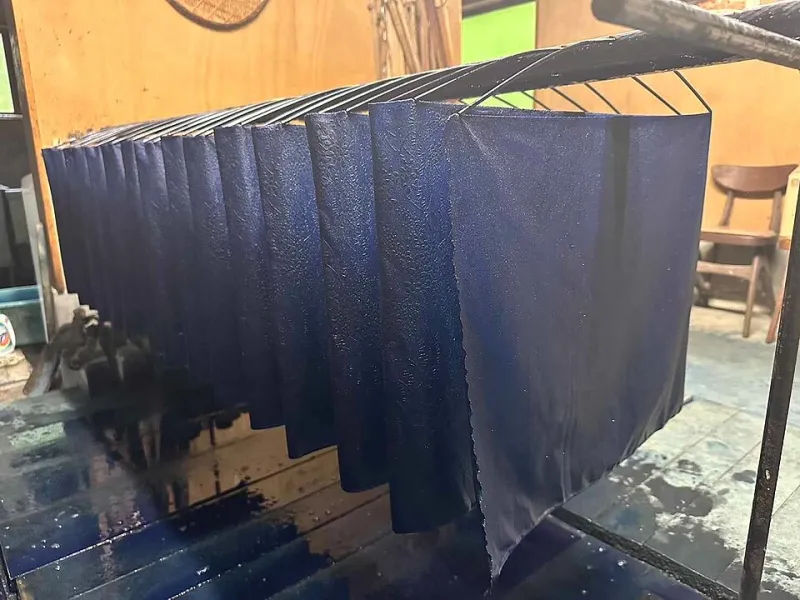
I spent a year making every blue in my illustrations from a single jar of Japanese indigo. Here's how a one-pigment discipline changed the way I compose, tell stories, and even shop for art supplies.

Seventy-Two Tiny Seasons: A Sketchbook Challenge Rooted in Japan's Oldest Calendar
Technique & Craft

Seventy-Two Tiny Seasons: A Sketchbook Challenge Rooted in Japan's Oldest Calendar

Japan's ancient calendar breaks the year into 72 microseasons — poetic five-day windows like 'east wind melts the ice.' Here's how to borrow that system, adapt it to your own backyard, and fill a sketchbook with a year of small observations.

Paint It and Let It Go: What Water Calligraphy Taught Me About Boldness
Technique & Craft

Paint It and Let It Go: What Water Calligraphy Taught Me About Boldness

Sand mandalas dissolve. Pavement calligraphy dries into nothing. Yet the artists who make these works seem strangely fearless. We spent a weekend making art designed to vanish — and it changed how we touch the brush on everything else.

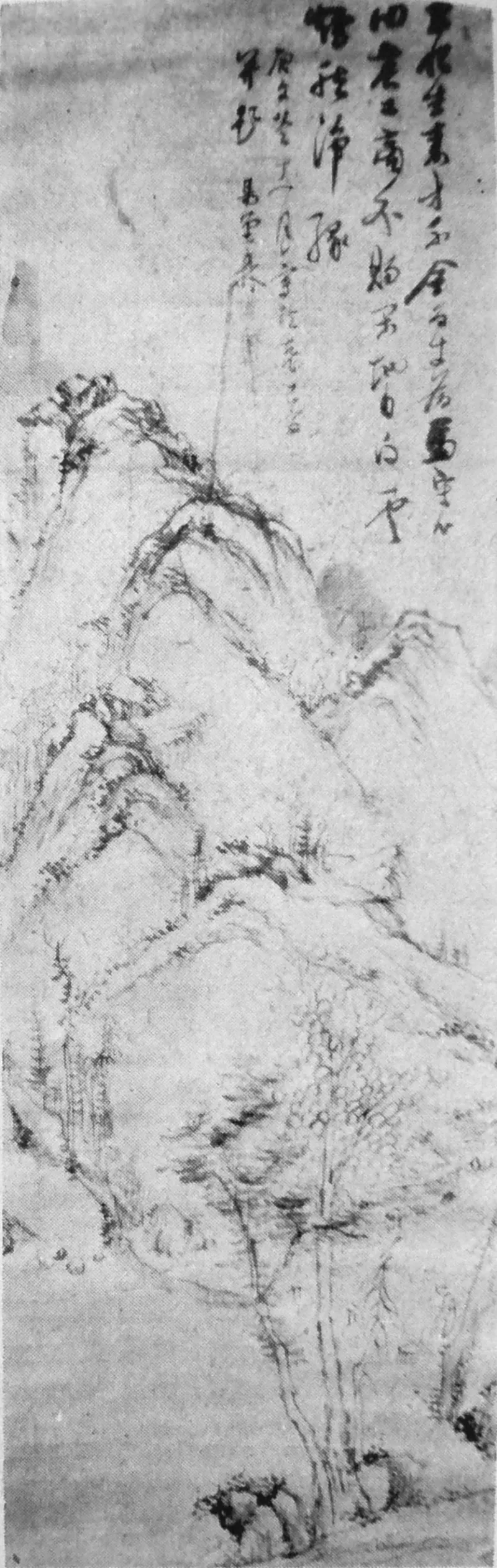
One Stroke, No Takebacks: The Liberating Discipline of Sumi-e
Technique & Craft

One Stroke, No Takebacks: The Liberating Discipline of Sumi-e

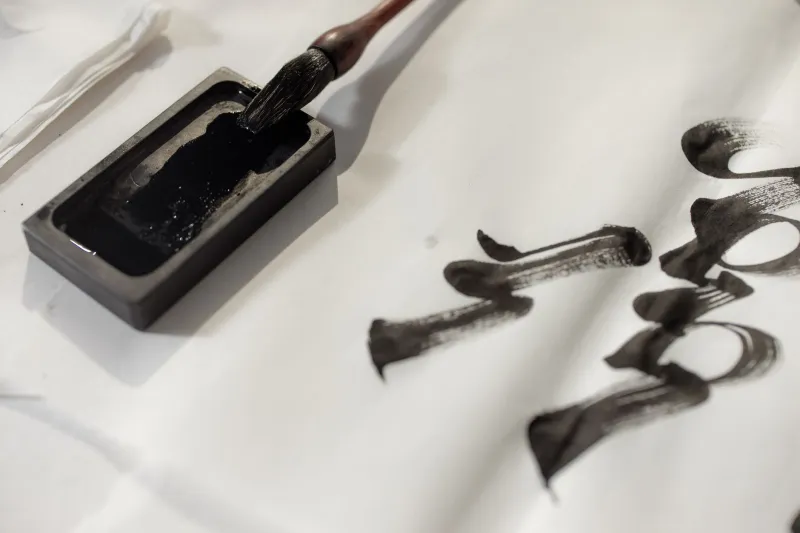
In sumi-e, every mark you make is final — no layers, no undo, no safety net. Here's why that terrifying constraint might be the best cure for the perfectionism that's quietly stalling your creative work.

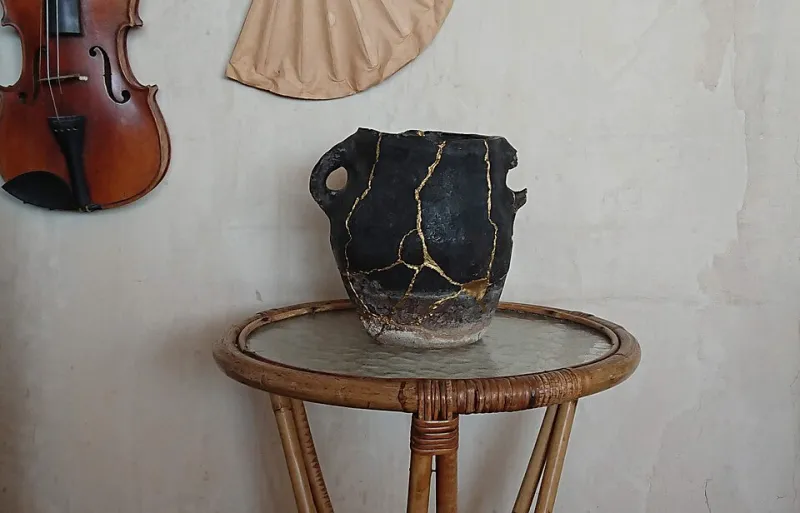
The Kintsugi Sketchbook: What Your Mistakes Are Trying to Tell You
Technique & Craft

The Kintsugi Sketchbook: What Your Mistakes Are Trying to Tell You

Perfectionism is the quiet killer of good art — and most American artists carry more of it than we'd like to admit. Here's how wabi-sabi, the Japanese aesthetic of imperfection, can turn your 'failed' sketches into your most honest work.

The Pause That Speaks: Learning to Leave Room in Your Art the Japanese Way
Technique & Craft

The Pause That Speaks: Learning to Leave Room in Your Art the Japanese Way

American art education tends to reward filling every inch of the canvas — but Japanese aesthetics treat emptiness as an active ingredient, not an afterthought. Here's how the concept of 'ma' can transform cluttered compositions into work that actually breathes.