One Stroke, No Takebacks: The Liberating Discipline of Sumi-e
Photo: Edward S. Morse, Public domain, via Wikimedia Commons
There's a moment in every sumi-e session that feels like standing at the edge of a diving board. You've ground your ink, you've loaded the brush, and now the paper waits — blank, absorbent, utterly unforgiving. Whatever you do next, you do once.
If you've spent the last decade working digitally, this sounds like a nightmare. Ctrl+Z has quietly become the most-used tool in our creative lives. We sketch, undo, sketch again, undo again, and somewhere in that loop, we stop making decisions and start making apologies. The Japanese ink painting tradition offers a radical alternative: commit.
Why Sumi-e Refuses to Let You Fiddle
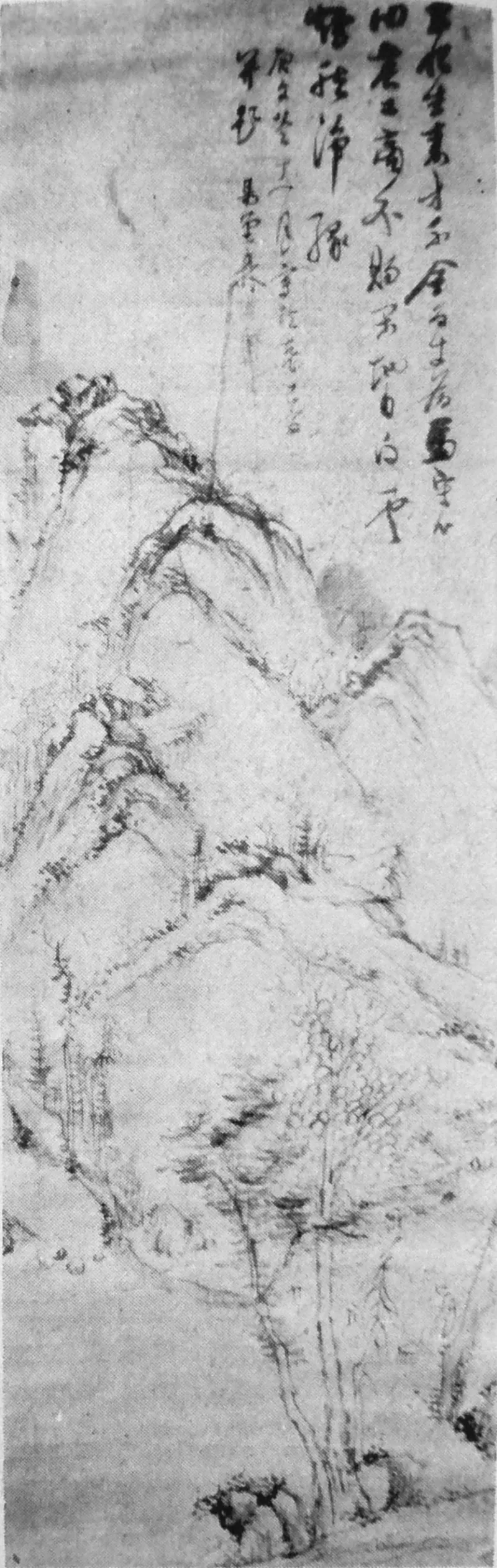
Sumi-e — suibokuga, as the broader ink-wash tradition is sometimes called — arrived in Japan from China and took root during the Muromachi period, eventually shaping everything from Zen temple art to the loose, breathing brushwork of modern manga sketching. The materials enforce the philosophy. Rice paper (washi) drinks ink instantly. There's no lifting it back off, no painting over without muddying the whole passage. One stroke is the stroke.
This isn't a limitation the tradition grudgingly accepted. It's the entire point. A sumi-e artist practices a single bamboo branch hundreds of times before displaying it, because the finished piece is essentially a recording of one moment of training. You can't fake it on the final pass. The preparation lives inside the mark.
Compare that to how most of us work now. The digital canvas is infinitely revisable, and that sounds like freedom — but revision without end is just another word for never finishing. Ask any illustrator with a half-finished Procreate file from two years ago.
The Psychology of the Permanent Mark
Here's what surprised me when I started practicing one-stroke studies: the fear doesn't come from the mistake. It comes from the option of avoiding one. When you know you can undo, every stroke becomes provisional, and provisional work never fully commits to a composition. Your lines get hesitant in a way that's visible, even if you can't name it.
Psychologists call the trap "maximizing" — the compulsion to keep optimizing instead of accepting a good outcome. Sumi-e is a discipline for satisfiers. The stroke lands, it has qualities you didn't plan, and those qualities become the painting. Ink blooms where the paper was damper than you thought. A branch tapers off earlier than intended. In the Zen framework this tradition grew from, the accident isn't a defect to correct — it's the painting telling you what it wants to be.
That's a hard pivot for artists raised on American craft culture, where "fixing it in post" is practically a national motto. But there's a reason so many US animators, tattoo artists, and letterers have taken up brush pen sketchbooks in recent years. The permanent mark trains a different muscle: trust in your first instinct.
Three Exercises to Steal
You don't need a full sumi-e setup to practice this. A brush pen and a sketchbook will do.
1. The Single-Line Morning. Each day, draw one object in your house with a single unbroken line, pen down, no lifting, no correcting. Ten seconds of drawing, zero seconds of judging. Fill a page with these and you'll notice something: the wonky ones often have more life than the controlled ones.
2. The Three-Revision Cap. Take a personal piece — not client work, keep that safe — and allow yourself exactly three revisions total. Not three per element. Three. Watch how quickly you start making decisions instead of deferring them.
3. The Ink-First Page. Load a brush (or a juicy brush pen) and paint the darkest shape of your composition first, before any light construction lines. Sumi-e artists often establish the essential masses immediately. It's terrifying and it forces you to know what your picture is actually about.
Doubt Has a Seat at the Table — Just Not the Front
None of this means doubt disappears. Even master calligraphers feel the wobble before a final piece. The difference is sequencing: in the sumi-e mindset, preparation comes first, doubt gets processed through practice, and the act itself is performed with a clear mind. Doubt rides along; it doesn't drive.
The digital tools aren't the enemy, either. Undo is a gift when you're learning, exploring, paying the rent. The point is that final work — the piece you sign — should feel like a sumi-e stroke: decisive, fully present, honest about the hand that made it.
So here's the challenge for this week: one drawing you're not allowed to fix. One page in your sketchbook where the first mark is the last word. It might come out clumsy. It might come out better than anything you've over-polished this year.
Either way, you'll have made something true — and in this studio, that counts for everything.