The Twist Does the Work: A Four-Panel Kishōtenketsu Sketch for 2026
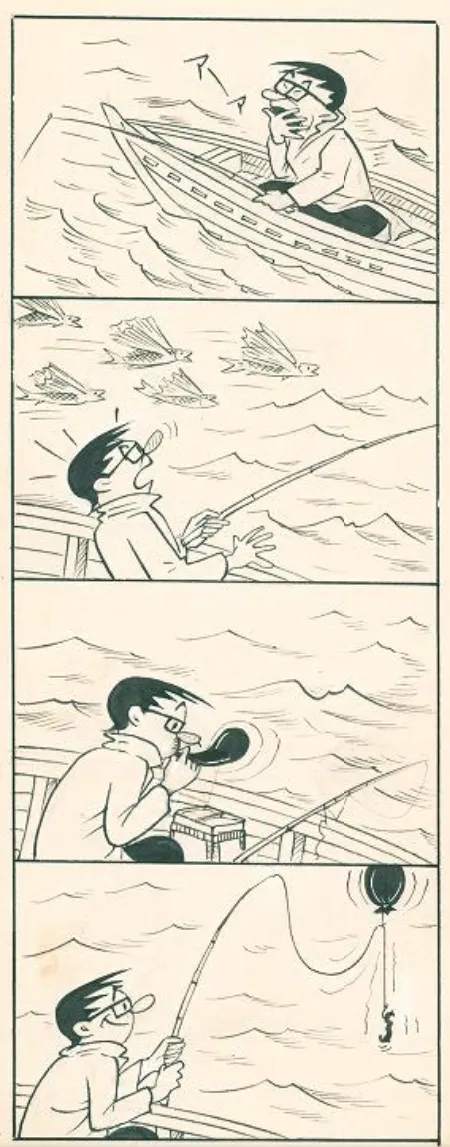
Photo: 麻生豊, CC0, via Wikimedia Commons
Start With a Structure, Not a Showdown
Most of us in the US grow up marinating in three-act stories and four-panel gag comics. Setup, conflict, punchline. Someone wants something, someone else blocks it, somebody gets a pie in the face. It works—but it can make every sketch idea feel like it needs a villain, a deadline, or at least a sarcastic cat.
Kishōtenketsu offers a different engine. It comes from East Asian narrative tradition and is often explained as four beats: ki, shō, ten, and ketsu. Introduction, development, twist, conclusion. Notice what is missing from that list? Conflict. The turn does the work instead. That makes it a lovely fit for illustration, where a single unexpected visual shift can carry more weight than an argument.
At Hiromatu Studio, we like structures that leave room for breath. This one does. It is not a formula for being vague; it is a formula for being clear about the surprise. And four panels—whether you post them as a comic, paste them into a sketchbook, or hang them as a small sequence—are just enough space to try it.
What Kishōtenketsu Actually Does
Here is the plain-English version. Ki establishes the world. Shō develops it. Ten recontextualizes it. Ketsu settles it.
The third panel is the hinge. In a Western joke, panel three would usually escalate the problem. In kishōtenketsu, panel three can simply reveal something we did not know was there. A shadow behaves differently. A reflection shows the wrong season. A cat ignores the expensive toy and sits in the cardboard box. The twist does not have to be loud. It has to be earned by the setup.
That last part matters. A random surprise is just confusion wearing a hat. The ten should make the first two panels feel newly interesting. You are not breaking the story. You are tilting it.
A Four-Panel Example: The Houseplant and the Shadow
Let’s use a subject so ordinary it barely counts as a subject: a small houseplant on a kitchen windowsill. Maybe it is a pothos. Maybe it is that plant you bought in a burst of optimism and have been watering ever since. No villain. No chase. Just morning light and a windowsill.
Panel 1 — Ki. A tight shot of the plant in a ceramic pot. Morning sun comes through the glass. The leaves are simple, maybe a little dusty. A watering can sits at the edge of the frame, only half visible. The mood is quiet. We understand the routine before anyone says a word.
Panel 2 — Shō. Pull back. A person stands at the sink, watering the plant with the same care they might use to fill a coffee mug. The kitchen is lived-in: a dish towel, a stack of mail, a window latch. This is the development beat. We are not adding drama; we are adding context. The plant is part of a daily ritual.
Panel 3 — Ten. The twist. The camera stays wide, but the plant’s shadow on the wall has grown huge and leafy—not a creepy monster shadow, just an impossible, lush jungle silhouette. The person has not noticed. The room is the same. The shadow is not.
Panel 4 — Ketsu. The person leans in and adjusts one small leaf. The giant shadow adjusts with it. That is the conclusion—not a resolution of conflict, but a settling of the idea. The ordinary plant is also a whole world. Nothing has changed, and everything has.
You could draw this in pencil, ink, or flat color. You could post it as a four-panel comic or keep it in a sketchbook. The point is that the sequence has a pulse: quiet, ordinary, strange, settled.
Panel-by-Panel Prompts for Your Own 2026 Mini-Story
Pick one everyday subject from your week. A mug. A bus stop. A grocery bag. A cat on a radiator. Then sketch these four beats quickly, without overthinking:
- Ki: Show the subject alone or nearly alone. Establish light, scale, and mood. One strong shape is enough.
- Shō: Add a human presence or a second object. Show the routine around the subject. Keep the same setting so the twist has something to push against.
- Ten: Change one thing—shadow, reflection, scale, color, or direction. Do not add a new character. Do not introduce a problem. Just let one element behave unexpectedly.
- Ketsu: Return to calm. Have someone notice, ignore, or gently interact with the change. The final panel should feel like a landing, not a fade-out.
If you want a 2026 sketchbook challenge, try one four-panel kishōtenketsu sequence per week for a month. Keep them small—each panel no bigger than a business card. The constraint is the gift. You will start noticing which everyday objects already contain a hidden second story.
Making the Twist Feel Earned
The most common mistake is treating ten as a punchline. A punchline ends the joke. A kishōtenketsu twist opens a door. So ask yourself: does panel three make panels one and two feel different in hindsight? If the answer is yes, you are close.
The second mistake is over-explaining. In a four-panel illustration, you usually do not need captions. Let the visual change do the talking. If you must add text, keep it to a whisper—a sign, a label, a single line of dialogue. The structure is already speaking.
Finally, do not confuse quiet with empty. Kishōtenketsu still needs clear shapes and readable transitions. Vary your camera distance. Keep the light consistent unless the twist is the light. Give the final panel enough visual weight to feel like an ending.
A Small Practice Loop
This week, sketch one four-panel sequence using only a pencil and a single everyday object. No villain, no argument, no punchline. Just introduction, development, twist, conclusion. Then show it to someone without explaining it first. If they smile at panel three and nod at panel four, you have found the rhythm.
That is the appeal of kishōtenketsu for illustration: it lets a small, ordinary moment become a story without forcing it into a fight. And in a sketchbook, that kind of quiet turn is often the most generous thing you can draw.